
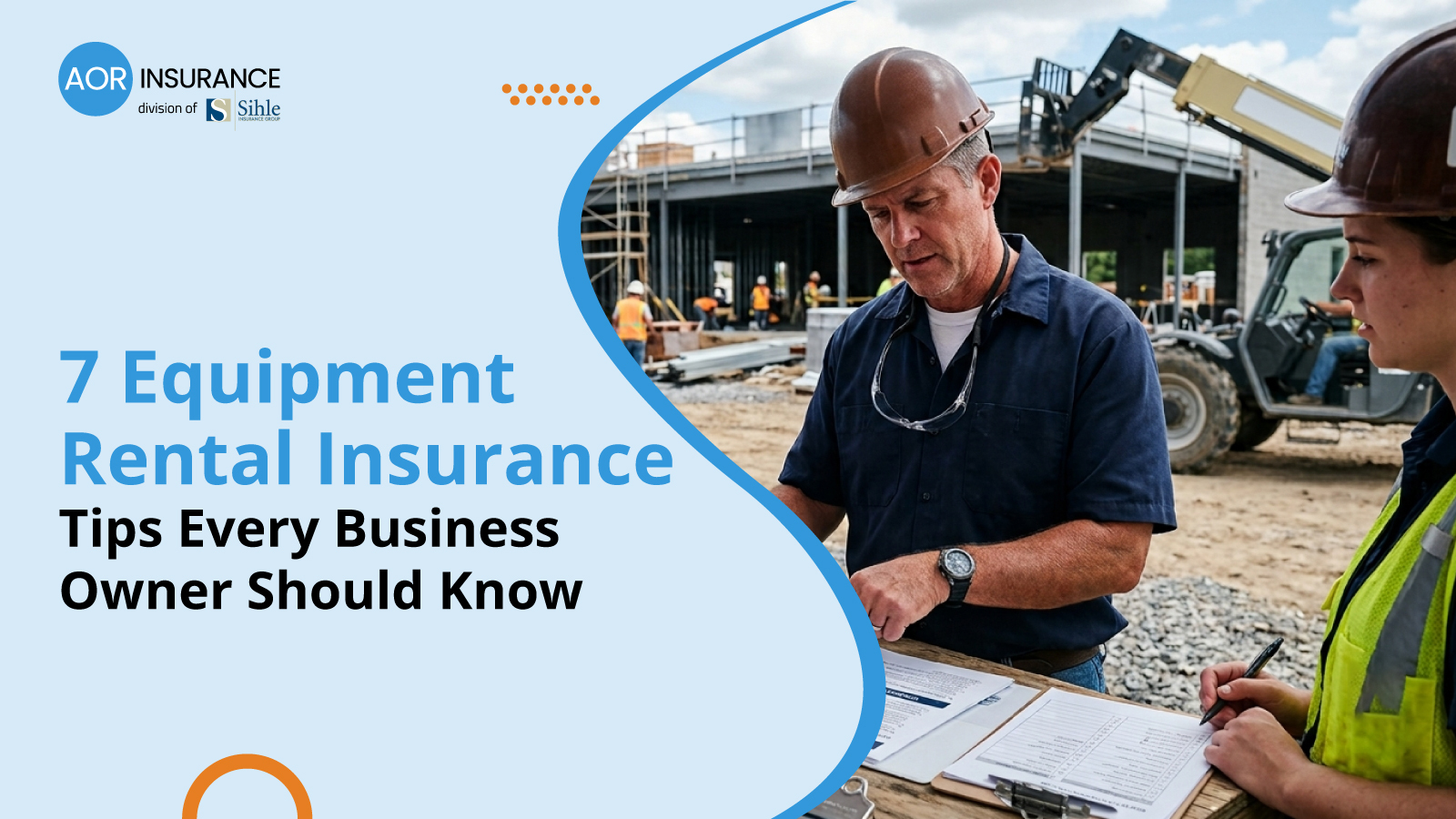
When your business needs equipment for a project, renting can be a more practical choice than purchasing. It can save you from a large upfront investment while giving you access to the specialized equipment for as long as you need it.
But renting equipment also raises an important question: “Who pays if the equipment is damaged, stolen, or lost while it is in your possession?” The answer to this depends on your equipment rental insurance policy, the type of equipment you’re renting, how and where it is used, and the terms of your rental agreement.
Not sure where to start? In this AOR Insurance guide, we’ll be breaking down seven tips to make sure that you understand your insurance responsibilities.
Before renting equipment, confirm what your policy actually covers. Depending on the policy, coverage may protect rented equipment against covered losses such as theft or accidental damage.
Don't assume that every type of damage or loss is included. Pay close attention to your coverage limits, deductibles, exclusions, and where the equipment is covered.
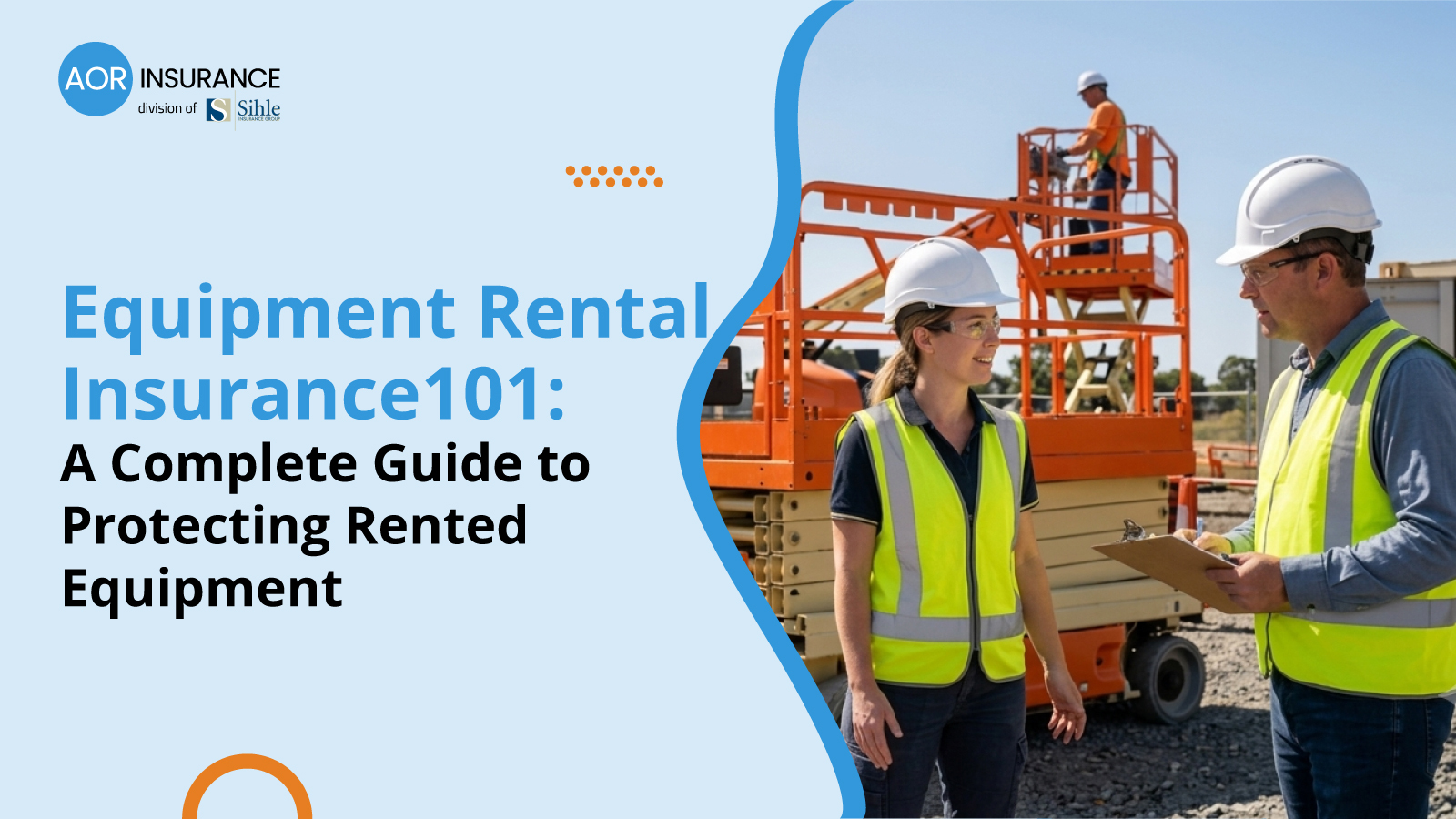
For more details, check our 101 guide on rental equipment insurance.
Your rental agreement may make you responsible for damage, theft, or loss while the equipment is in your possession. It may also specify the insurance coverage or limits you need.
So, before renting, check your agreement for required coverage limits, insurance requirements, your responsibilities for damage or theft, and rules for transporting or storing the equipment.
Check the equipment's value against your policy's coverage limit. This is particularly important when you’re renting expensive machinery or specialized equipment.
Keep the rental agreement, invoices, equipment details, and photos as documentation. These records can help you establish the equipment's value and condition if you need to make a claim.
Don't automatically purchase a separate policy when you’re renting equipment. Many times, your existing business insurance may already provide some protection for rented equipment, depending on its terms.
Ask your insurance professional to confirm whether rented equipment is covered, what type of losses are covered, and if the coverage applies away from your premises. Discuss the limits or exclusions in your rental equipment insurance to avoid gaps in coverage or paying for unnecessary protection.
Consider factors like what equipment you’re renting, how long you’re going to keep it, and where you’ll use as they can all affect your insurance needs. A small piece of equipment used inside your premises may create a different risk from heavy construction machinery transported between multiple job sites.
Make sure that your rental equipment insurance coverage offers protection for the actual locations and activities you’re renting the equipment for.
If your rented equipment is damaged or stolen, start by reviewing your agreement and insurance policy for the required reporting procedures. You should notify the rental company and your insurer as soon as your agreement or policy requires.
You may also need to report theft to the police, photograph the damage, keep rental and repair documents, and provide details about when and where the loss occurred. Doing this helps avoid any unnecessary complications with a claim.
If you need separate coverage, don't compare policies based on price alone. Look at what each policy actually provides. Compare their coverage limit, deductibles, covered losses, exclusions, what equipment are covered, transportation coverage, and rental agreement requirements.
The right policy for your business is the one that fits the equipment, rental terms, and risks your business faces and is not just the cheapest option.
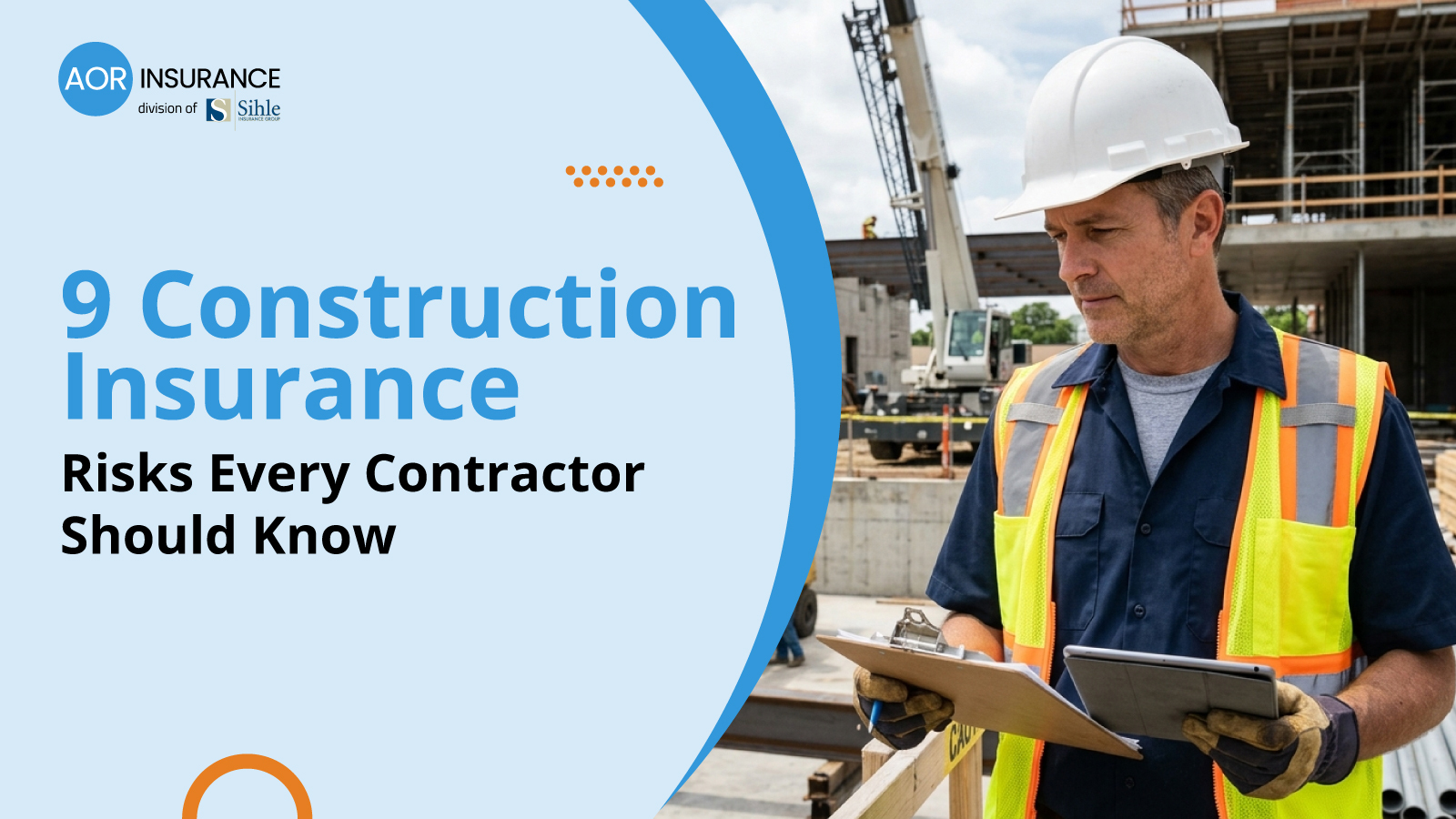
If you own a construction business, check our insurance guide for contractors and construction companies to learn what coverage you need.
Even when a business has insurance, mistakes in understanding the coverage can create problems when a loss occurs. At AOR Insurance, we’ve worked with businesses for over 45 years and have helped them pick the right policy for their needs.
Here’s a list of some common mistakes that we’ve seen most businesses make over the years:
This may not seem much but the few minutes you spend reviewing your rental agreement and equipment rental insurance coverage can help you avoid these costly mistakes.
Equipment rental can give your business access to the machinery, tools, and specialized equipment you need without purchasing these assets outright. But renting also means understanding who is responsible when something goes wrong.
Before taking possession of rented equipment, confirm what your existing insurance covers, what the rental agreement requires, how much the equipment is worth, and what exclusions or deductibles apply. Speaking with an insurance professional is the best way to determine whether your current coverage is adequate or whether you need additional protection.
If you’re unsure of whether you need equipment rental insurance coverage, AOR Insurance can help you understand your options and identify potential gaps in your policy. Get in touch with our insurance experts to discuss your needs.
While it is not a legal requirement in the U.S., most rental companies demand proof of coverage or a damage waiver before releasing their machinery. It’s also beneficial to get equipment rental insurance so you don’t end up paying from your pocket in case of an accident/ theft.
Generally, the renter is responsible if the rented equipment is damaged in their possession but the exact liability depends on your contract and the cause of loss.
The cost of your equipment rental insurance depends on factors like the type of value of the equipment, the location, and the duration of your rental period.
Equipment rental insurance generally covers physical damage, theft, and loss of the rented machinery/ equipment while it’s in your care.

AOR - Division of Sihle Insurance
We typically reply in a few minutes