
Beyond managing crews, materials, budgets, and project deadlines, contractors have to face plenty of risks that arise during their project. From an employee getting injured on the jobsite to damage caused by severe weather or a claim alleging faulty work, these risks not only derail their operations but also cost them in terms of finances.
To manage these risks contractors require strong construction insurance coverage along with proper planning and safety procedures in place. But the right policy isn’t necessarily the one with the lowest premiums, it’s one that’s designed to their specific risks.
Trade-specific programs: plumbing contractor insurance, water/sewer/utility contractor insurance, electrical contractor insurance, and HVAC contractor insurance.
In this AOR Insurance guide, we’ll discuss nine major risks that you as a contractor face, how to select the right policy based on your risk profile, and common mistakes that you must avoid when buying a policy.
With the dynamic environment of the construction business, construction insurance coverage is a must for contractors and construction companies. But construction insurance isn’t a single policy, it is a combination of coverage designed around the risks associated with your business, employees, equipment, projects, and contractual obligations.
The benefits of getting insurance for construction contractors include:
A construction claim can quickly become expensive for your business. Costs related to medical expenses, property damage, legal defense, and equipment replacement can put a significant pressure on your cash flow.
The right insurance coverage will help you by transferring some of these financial risks to an insurer, subject to your policy's terms, limits, deductibles, and exclusions.
Many construction contracts require contractors and subcontractors to carry specific types and amounts of insurance. General contractors may also require certificates of insurance before allowing subcontractors to start their work.
With the appropriate coverage in place, you can meet these contractual requirements and avoid any delays before the work begins.
A serious loss can affect much more than a single project. If essential equipment is stolen, a jobsite is damaged, or a liability claim leads to costly legal proceedings, the resulting disruption can affect everything. It can disrupt your project schedules and affect your employees, customers, and revenue.
Insurance is an important part of a broader risk management strategy that can help you to recover from the losses covered under your policy and you can continue operating your business.
Getting appropriate construction insurance coverage demonstrates that you take your responsibilities and potential liabilities seriously. Clients prefer working with such contractors who are prepared to handle unexpected events.
Let’s discuss some of the most common construction insurance risks that every contractor should evaluate before picking their construction insurance policy.
Construction work involves physical labor, heavy machinery, electrical systems, excavation, and many other potential hazards. If an employee gets injured on the jobsite, it can result in medical expenses, lost wages, workers' compensation claims, and operational disruption.
The severity of the risk can also vary depending on the type of construction work being performed. For example, excavation work can expose employees to cave-ins, falling loads, heavy equipment, hazardous atmospheres, and electrical hazards. Your insurance policy should factor in all these risks.
Contractors don't just have to worry about injuries to their own employees. Construction activities can also damage a client's property, neighboring property, or other third-party assets.
For example, your crew could accidentally damage an existing structure, hit underground utilities, or break a window while doing their work. These incidents can lead to repair costs and liability claims against you.
Construction equipment and tools require a substantial investment. As excavators, bulldozers, aerial lifts, compressors, generators, and power tools are constantly used at jobsites, they are prone to theft, vandalism, and accidental damage.
This equipment loss creates not only the cost of repairing or replacing the property but also delays your project, making insurance for such equipment important.
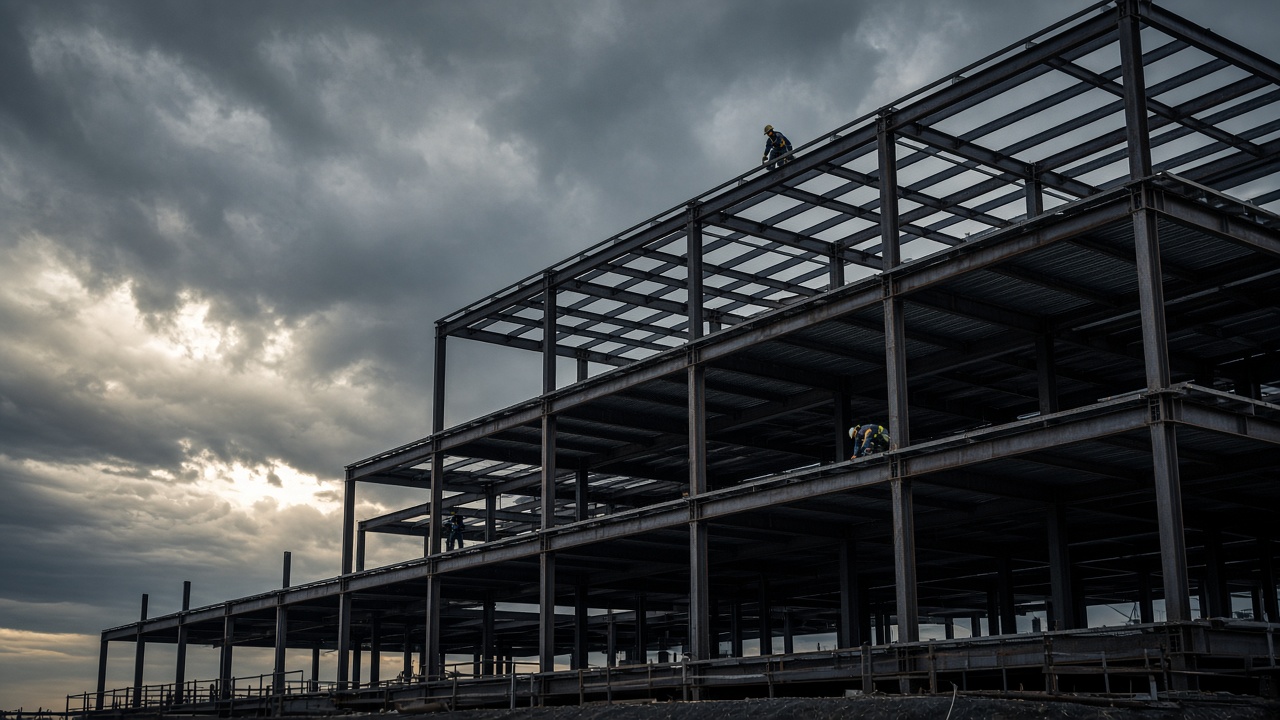
Construction sites can be especially vulnerable to weather because partially completed structures and exposed materials may not have the same protection as completed buildings.
Heavy rain, wind, hail, flooding, tornadoes, hurricanes, and other severe weather events can damage your structures, materials, and equipment or delay construction.
The insurance for construction contractors should offer protection for such incomplete structures and materials during new construction/ renovation projects.
A construction project doesn't necessarily stop creating liability once you leave the jobsite. A client may discover an issue after project completion and allege that your work caused damage to their property or bodily injury.
Ensuring coverage for such claims associated with your installation, workmanship, or other construction activities is essential as they may arise months or even years after you have completed a project.
Many contractors offer services like providing recommendations, preparing plans, or assisting with design decisions. These responsibilities leave them exposed to professional liability.
An error, omission, incorrect specification, or professional mistake could lead to a dispute or claim from a client. As this is quite different from a typical accident involving bodily injury or property damage you need a separate construction insurance policy for these claims.
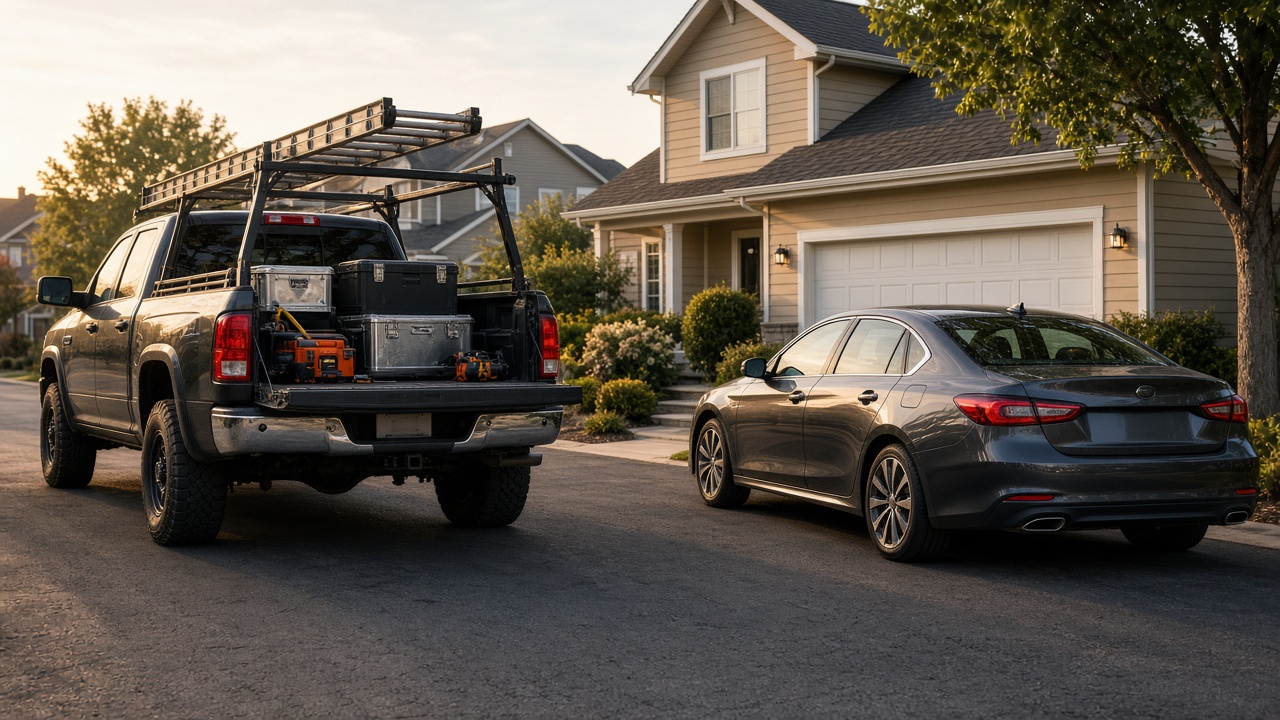
Contractors often have their vehicles moving between offices, jobsites, suppliers, and storage facilities. Your employees may also transport their tools, equipment, and materials as part of their daily work.
The company vehicle used for such transportations may get involved in a collision resulting in vehicle damage, injuries, property damage, or liability claims. Beyond the transportation vehicle protecting your equipment or materials while transporting them between locations, requires a separate coverage.
Construction companies increasingly rely on digital systems for their accounting, project management, payroll, employee records, contracts, and communication. This creates another category of exposure.
A cyberattack, ransomware incident, data breach, or compromised account can interrupt your operations or expose sensitive information. While many contractors don’t think of cyber risk when they consider construction insurance, it is becoming an important part of business risk management today.
Construction contracts can create significant responsibilities for contractors. Requirements related to indemnification, insurance, additional insured status, project-specific liability, and other contractual obligations can affect your risk exposure.
You may also face disputes involving subcontractors, project owners, general contractors, or other parties. This is why your insurance planning should start before you sign a contract and not after a dispute occurs.
Once you understand the risks you face, the next question is which types of insurance policies can help to address them. Different policies under the construction insurance coverage are designed to cover different exposures and some risks may require more than one policy.
The table below includes a list of risks that contractors face with the corresponding policies that can help you cover them.
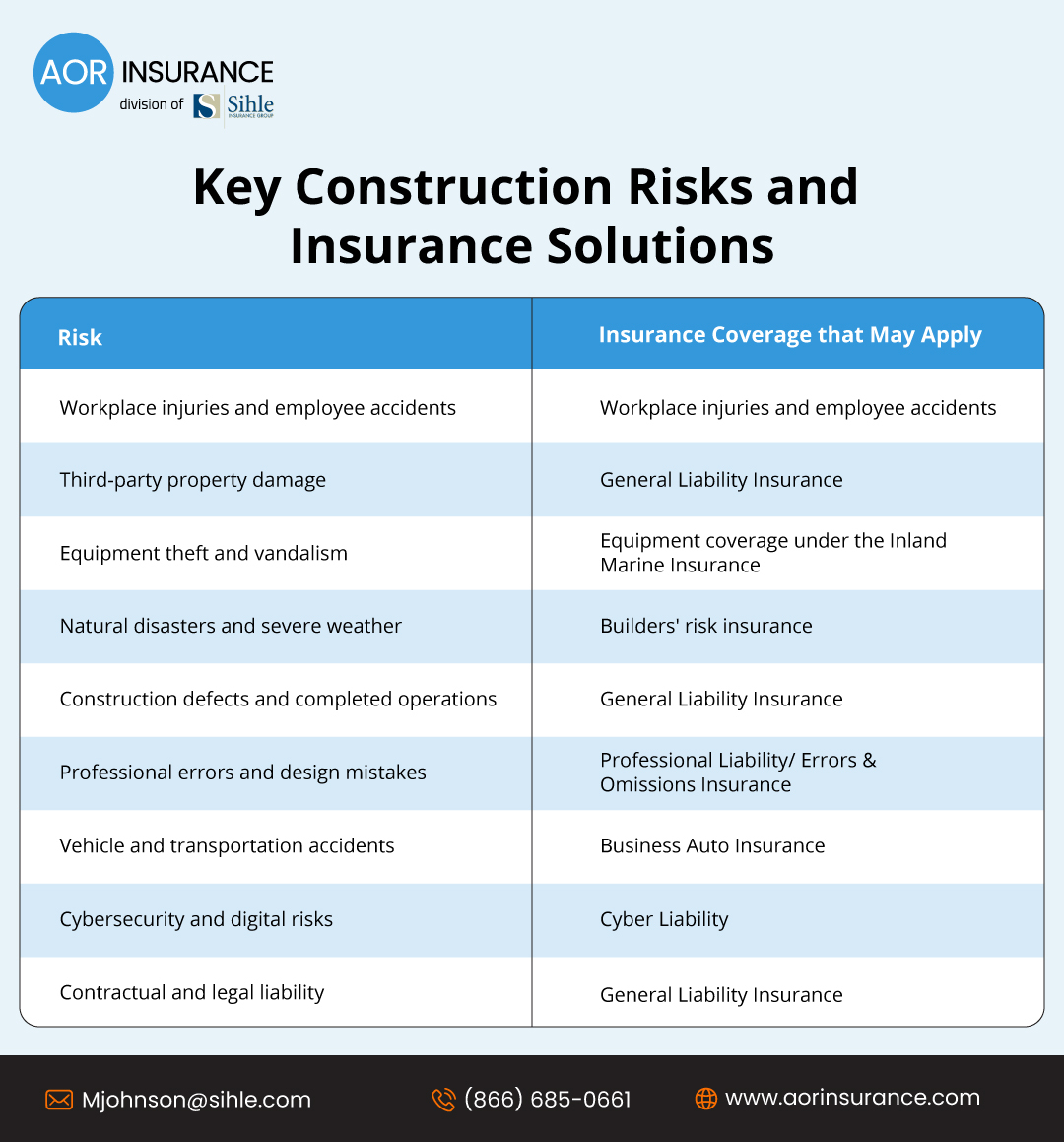
This table is just a general guide. It's important that you check your policy's terms, conditions, exclusions, limits, and deductibles to determine whether a particular loss is covered. You can also get in touch with insurance experts at AOR Insurance to help you find the right coverage.
Also, check out our complete guide on construction insurance to get a detailed insight into these policies.
As every contractor faces unique risks, consider factors like the type of construction work you perform, use of equipment, any company vehicles you use, whether you transport tools/ materials, or provide design/ professional advice, etc. These risk factors will lead you to the right coverage.
Before starting a project, review the insurance requirements in your contract. Pay attention to required limits, additional insured requirements, certificates, waivers, indemnification provisions, and project-specific insurance requirements.
Make a realistic assessment of the value of your tools, machinery, equipment, materials, and projects under construction.
Construction insurance can become complicated as projects, contracts, subcontractors, equipment, and professional services become more complex. An experienced insurance professional can help you identify exposures that may not be obvious and determine which coverage makes the most sense for your business.
The insurance brokers at AOR Insurance use a tailored approach that identifies your unique risk profile and helps you determine your coverage.
Even after careful planning, many contractors end up making mistakes while choosing their construction insurance policy.
Here’s a list of such mistakes that you should avoid:
The right insurance strategy starts with understanding risks before they become claims and regular policy reviews with your insurance consultant so you are covered as you grow.
Construction risks are rarely limited to a single category. Contractors may have to manage everything from employee injuries, property damage, equipment losses, and severe weather to professional liability and contractual obligations.
It’s important to understand your risk profile before you set out to purchase your construction insurance policy, your insurance consultant can help you with this.
At AOR Insurance, we offer construction-focused insurance and risk management solutions for contractors and construction businesses. We provide everything from General Liability, Workers’ Compensation, equipment and Inland Marine, Builders’ Risk, and Professional Liability to project-specific coverage and surety bonds. Get in touch with our insurance experts to discuss your requirements.
The top 10 safety risks in construction include falling from heights, getting struck-by moving objects or vehicles, slips, trips, and falls at ground level, electrocutions, structural collapses, caught-in/ between hazards, manual and material handling injuries, hazardous dust and chemical exposures, excessive noise.
A construction company should have construction insurance coverage in place. It includes a combination of policies like general liability for third-party injuries/ damage, workers' compensation for employee injuries, builder's risk for their structures under construction, commercial auto for work vehicles, and inland marine for tools and equipment in transit.
The three common insurance policies that are most relevant to construction projects include the Commercial General Liability, Builder’s Risk Insurance, and Professional Liability Insurance.
According to OSHA (Occupational Safety and Health Administration), the four hazards in construction are falls, electrocution, getting struck by objects, and getting caught in/ between incidents.
Construction insurance costs vary from business to business with factors like business size, trade, payroll and revenue, and claims history affecting the overall price.
Builder’s risk insurance covers any physical damage to the structure, materials, and equipment present on your construction site, while General Liability insurance covers the claims of a third-party bodily injury, legal fees, and property damage that’s caused by your business operations.
The construction insurance coverage needs of a contractor depends on several factors like their state licensing rules, project size, and specific client contracts. Larger commercial jobs often demand a higher limit or an umbrella policy.

AOR - Division of Sihle Insurance
We typically reply in a few minutes