
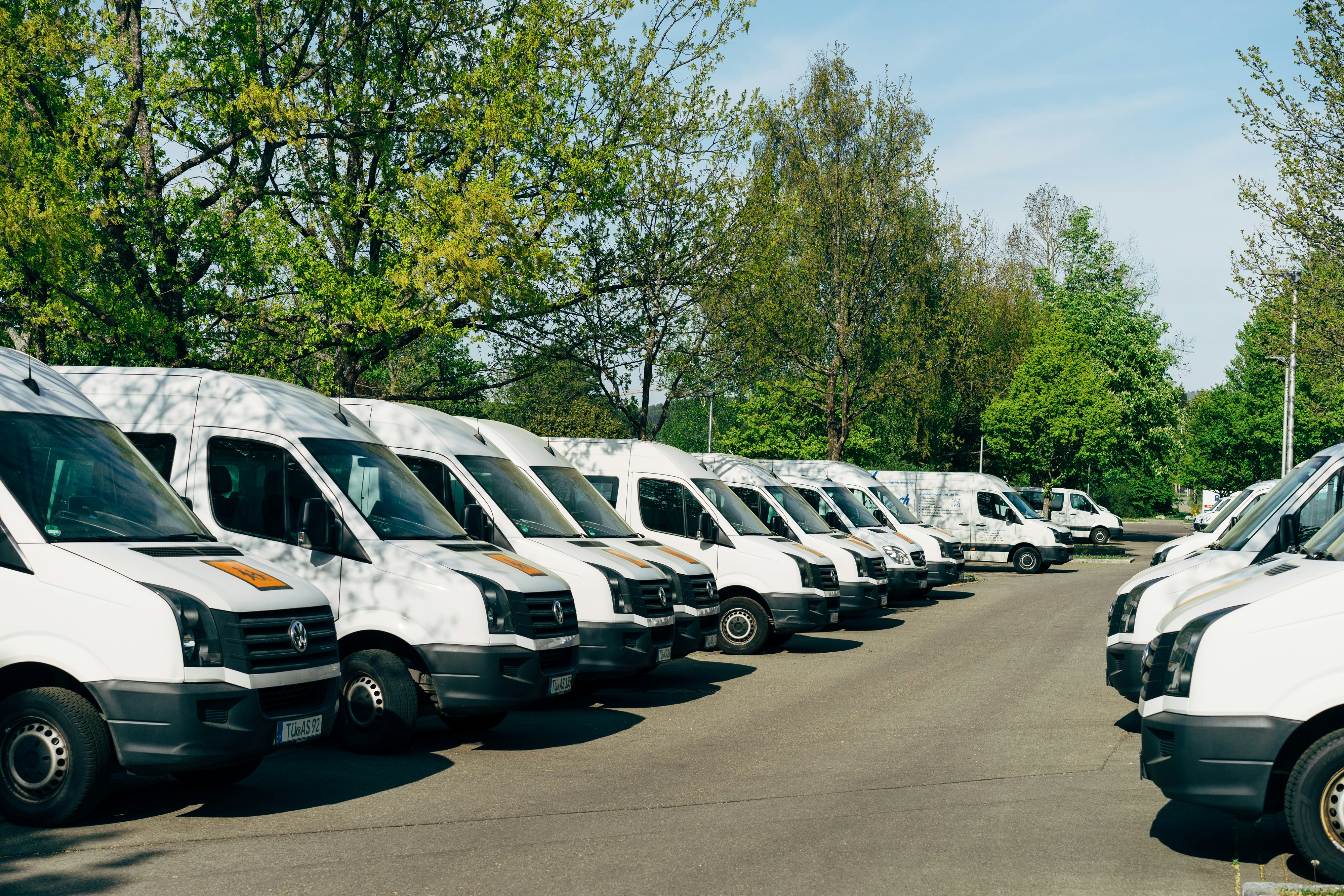
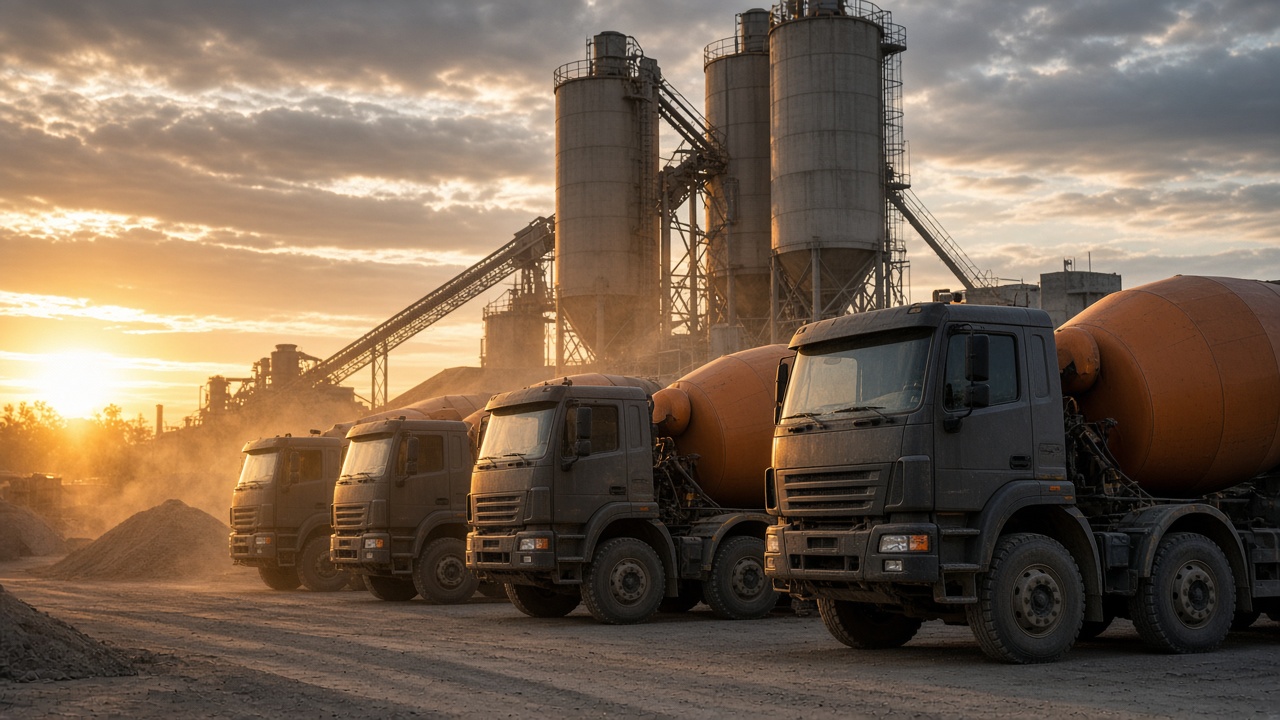
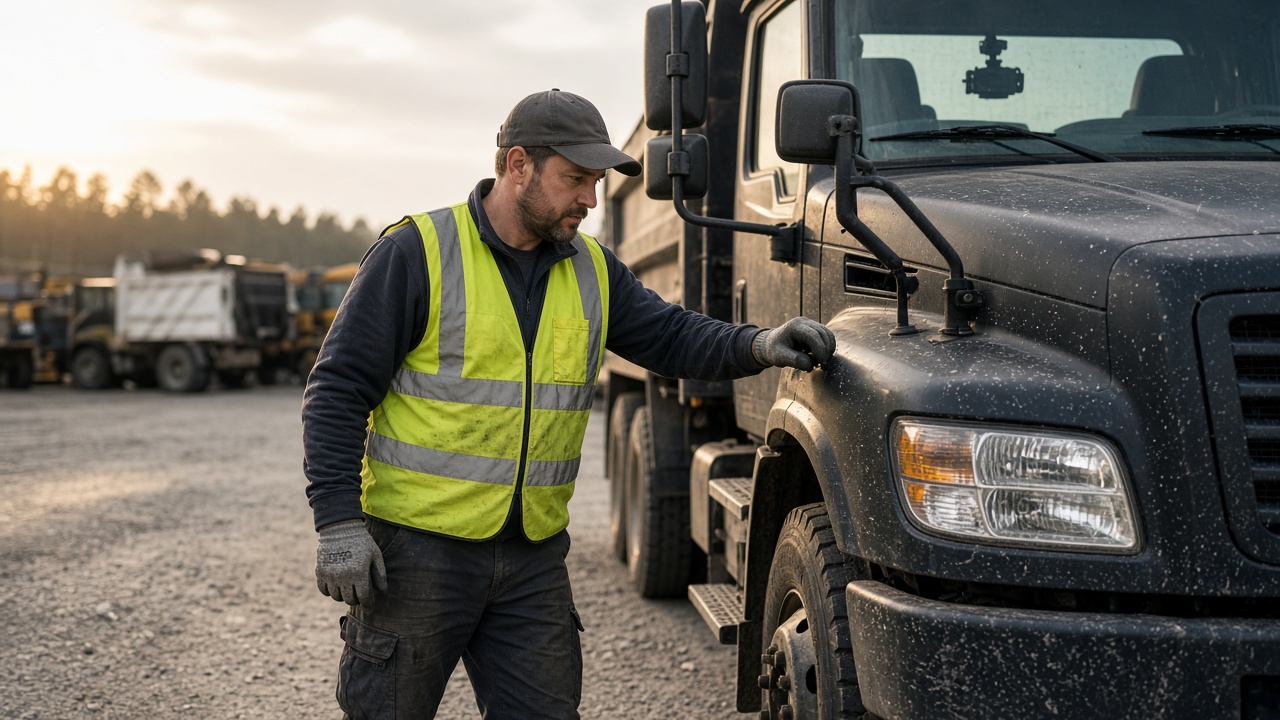
Much of the commercial insurance market has softened for well-managed construction businesses. That does not mean commercial auto got easy.
Industry risk commentary for 2026 notes that while many coverage lines show healthier competition and capacity, commercial auto and excess liability remain under pressure. For contractors who depend on trucks, vans, and crews on the road, renewals can still feel like a hard market — even when general liability or property quotes look more competitive.
Construction fleets combine several underwriting stress points at once:
Nuclear-verdict trends documented for 2024 (135 corporate lawsuits with awards over $10 million, up sharply year over year, with construction among the top contributing industries) help explain why liability towers and excess layers stay expensive — and why auto losses that spill into third-party injury claims get close attention from underwriters.
Carriers and wholesalers are more willing to compete when a contractor can show:
Contractors that share meaningful telematics and safety data are better positioned for accurate risk profiles — and, when results are strong, more favorable pricing discussions.
If your GL or builders risk is improving but commercial auto is not, that split is consistent with current market commentary — not a signal that your broker failed to shop. The fix is operational and packaging: tighten fleet risk, document it, and present the full construction program together so auto is not underwritten in isolation.
AOR Insurance works with middle-market construction and trade contractors who need commercial auto, GL, WC, and related coverages that keep jobs moving.
Request a free comprehensive risk profile on our Construction Insurance page, or call (866) 685-0661.
If you run a trade operation, also see our plumbing contractor insurance, water, sewer, and utility contractor, electrical contractor insurance, and HVAC contractor insurance pages.
Related reading: Why Your Business Vehicles May Not Be Covered Under a Personal Auto Policy · Construction Insurance: Complete Guide · Hidden Risks Construction Companies Face.



AOR - Division of Sihle Insurance
We typically reply in a few minutes