
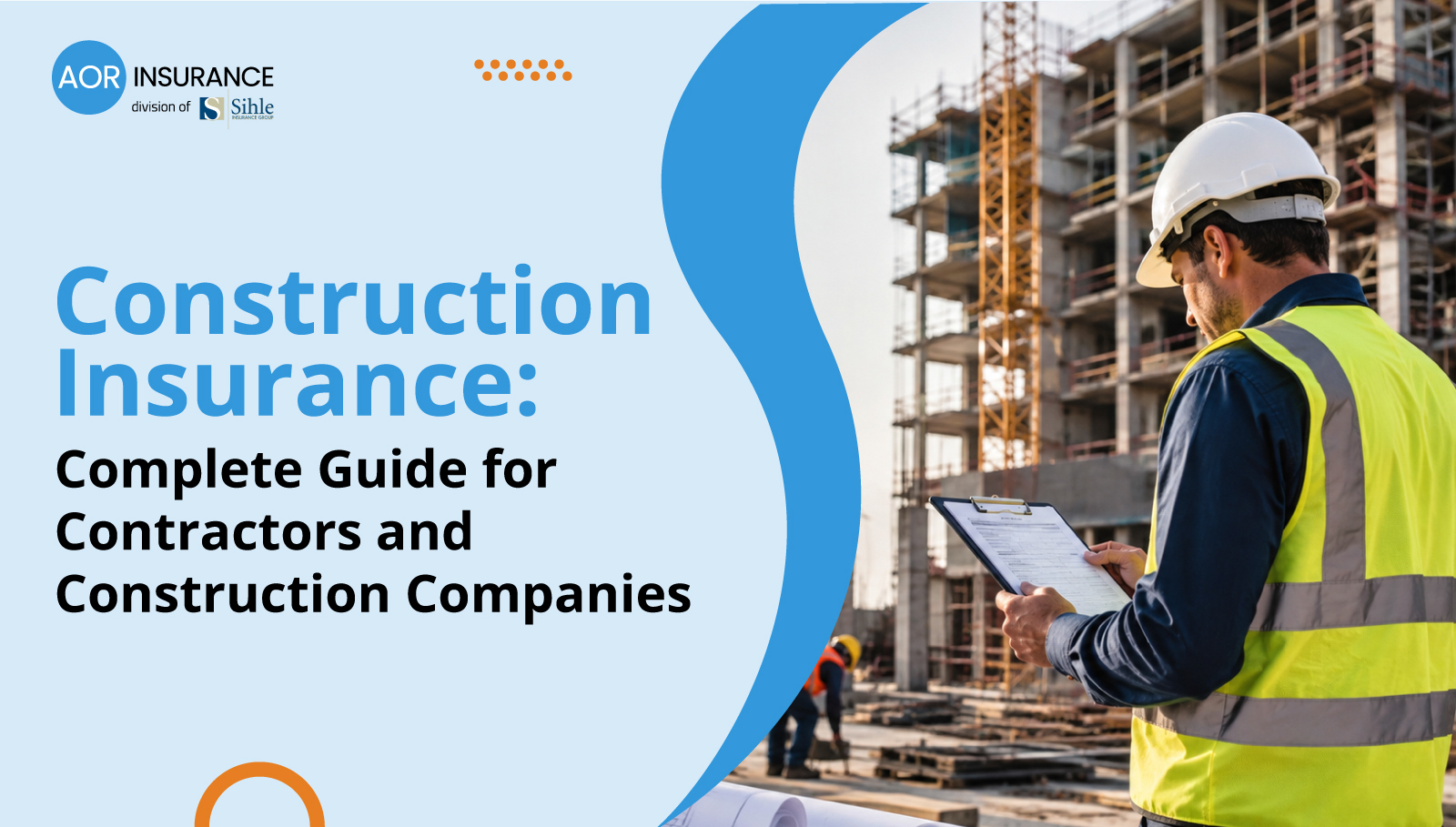
Every construction project has a certain level of risk associated with it. From workplace injuries and equipment theft to property damage and weather-related delays, contractors face plenty of challenges.
These challenges not only disrupt their operations but impact profitability too, that’s why construction insurance is a must for contractors and construction companies. It provides financial protection against these risks and allows your business to recover from financial losses.
But there isn’t a single insurance that covers all risks. What you need is a combination of coverages tailored to your operations, workforce, equipment, and project types. We’ll talk about this in more detail in this AOR Insurance guide.
Trade-specific programs: plumbing contractor insurance, water/sewer/utility contractor insurance, electrical contractor insurance, and HVAC contractor insurance.
We'll explain what construction insurance is, who needs it, the different types of coverage available to you, and how you can choose the right protection for your construction business.
Construction sites are dynamic environments where employees, heavy machinery, materials, vehicles, and third parties interact daily. Accidents and unforeseen events can still occur despite careful planning and safety measures.
Getting insurance coverage like general liability insurance and builders risk insurance help you cover these incidents. Construction insurance is a collection of such policies that are specially designed to protect construction businesses, contractors, subcontractors, and project owners from financial losses.
If you are involved in the construction business, be it residential, commercial, or industrial, then construction insurance is a must for you. Let’s cover exactly which businesses and professionals need this insurance:
General contractors oversee the entire construction projects and coordinate multiple teams, exposing them to a broad range of jobsite and operational risks. Construction insurance helps protect them against liability claims, property damage, equipment losses, and other unforeseen incidents while meeting client and contract requirements.
The work of subcontractors like electricians, plumbers, roofers, or HVAC contractors carries certain trade-specific risks. Maintaining insurance protects them from claims and is also often required by general contractors before they begin a project.
Residential builders manage projects from foundation to completion, exposing them to risks such as property damage, theft, weather-related losses, and workplace accidents. They can use a combination of insurance policies to safeguard their projects and business continuity.
Commercial contractors often handle larger, more complex projects with higher financial exposure. Comprehensive construction insurance helps them to manage risks associated with multiple crews, expensive equipment, contractual obligations, and third-party liability.
Specialty contractors, including excavation, demolition, flooring, masonry, and landscaping professionals, face unique operational risks based on their trade. Getting tailored insurance coverage helps to protect their business, employees, tools, and ongoing projects.
We’ve discussed how construction sites are often prone to accidents and unexpected events. Here are some common exposures that contractors and construction companies should be prepared for:
Construction work involves significant safety hazards including falls, electrocution, and getting caught-in hazards. OSHA identifies these among the industry's major safety risks and these injuries can result in medical expenses, lost wages, and workers' compensation claims.
Construction activities can unintentionally damage a client's property, an adjacent structure, or property belonging to another contractor or third party. The resulting repair costs and liability claims can become significant, particularly for large projects.
Construction sites often contain valuable tools, machinery, and materials that can be vulnerable to theft or vandalism. Losing such essential equipment creates both replacement expenses and project delays.
Contractors interact with property owners, visitors, subcontractors, suppliers, and members of the public. An accident involving someone outside their business can result in medical expenses, property damage claims, lawsuits, and legal costs.
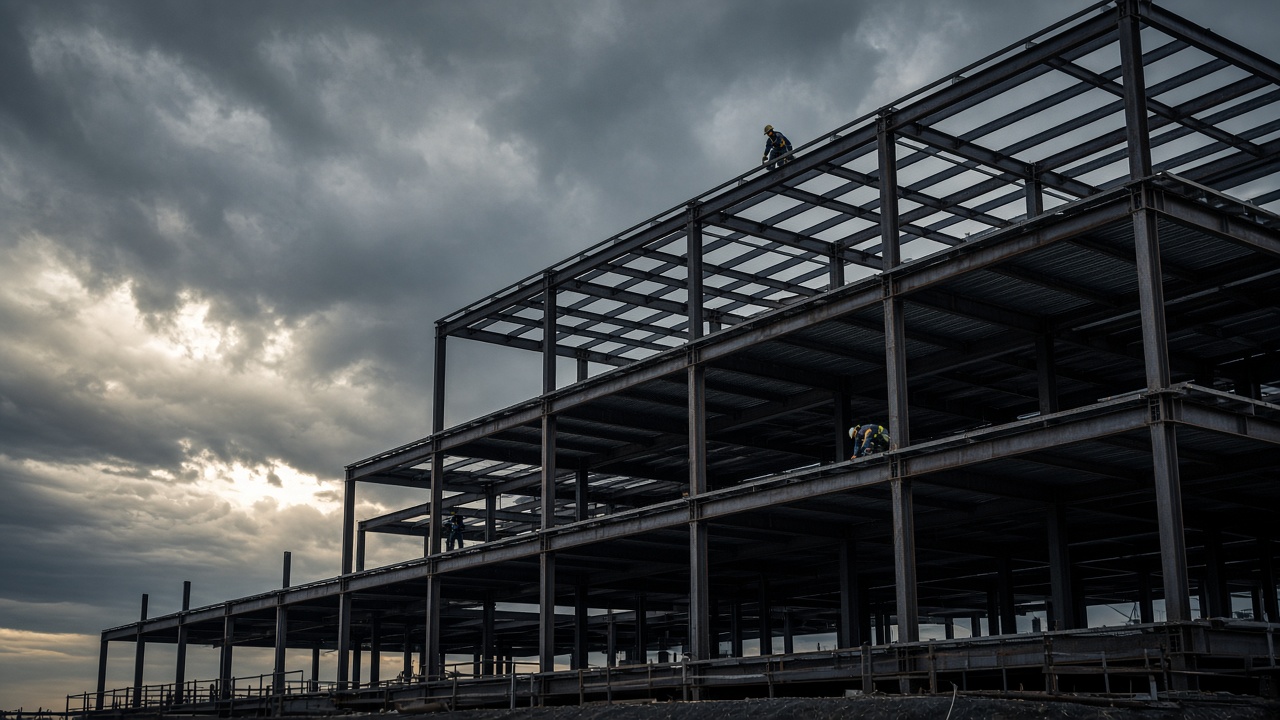
Severe weather not only affects construction schedules but can also damage partially completed structures, materials, and other property. Weather-related events like wind, hail, and fire can create additional costs and potentially delay project completion.
Insurance is also a common contractual requirement in construction. Project owners, developers, general contractors, and lenders may require specific policies and coverage limits before the work begins. Contractors may also need to provide certificates of insurance and maintain coverage throughout the project. Meeting these requirements is often essential to qualify for projects and maintain contractual compliance.
There is no single policy that covers every risk a construction company faces. That’s why contractors should combine several types of insurance based on their operations, assets, employees, and projects.
Let’s discuss some common insurance coverages that most contractors and construction companies need:
General liability insurance helps protect your construction business against third-party claims of bodily injury and property damage that occur during your operations. That can include injuries to visitors on a jobsite, damage to a client's property, or damage to neighboring structures while work is underway.
For most contractors, general liability is a foundational coverage and is often required by project owners and general contractors before you can mobilize. Limits, additional insured endorsements, and waivers of subrogation frequently appear in contract requirements, so the policy should match how you actually work—not just a generic commercial package.
Workers' compensation provides benefits for employees who experience work-related injuries or illnesses. As coverage requirements vary by state, contractors should understand what rules apply where they operate.
For construction businesses with employees, workers' compensation is an important part of both risk management and regulatory compliance.
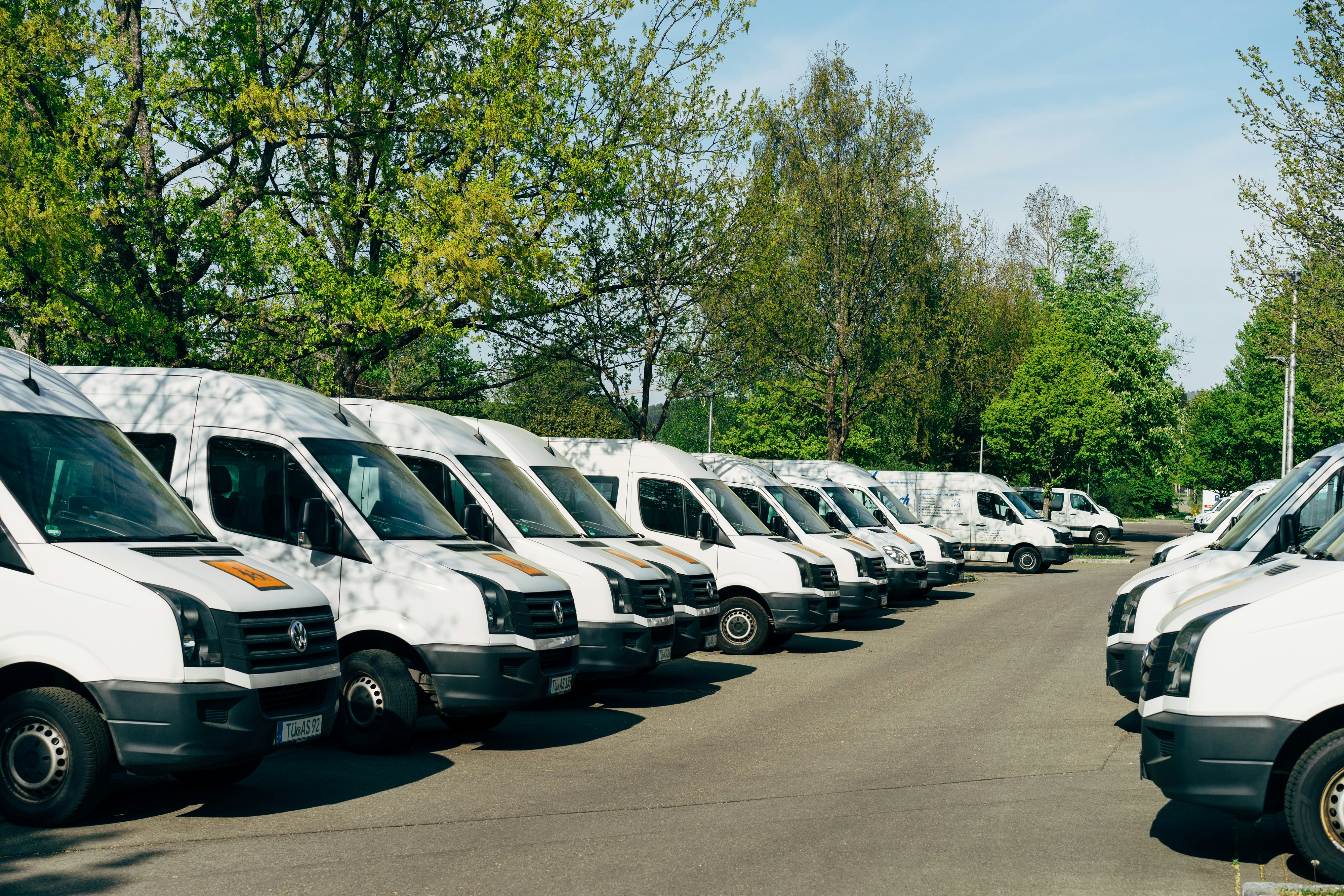
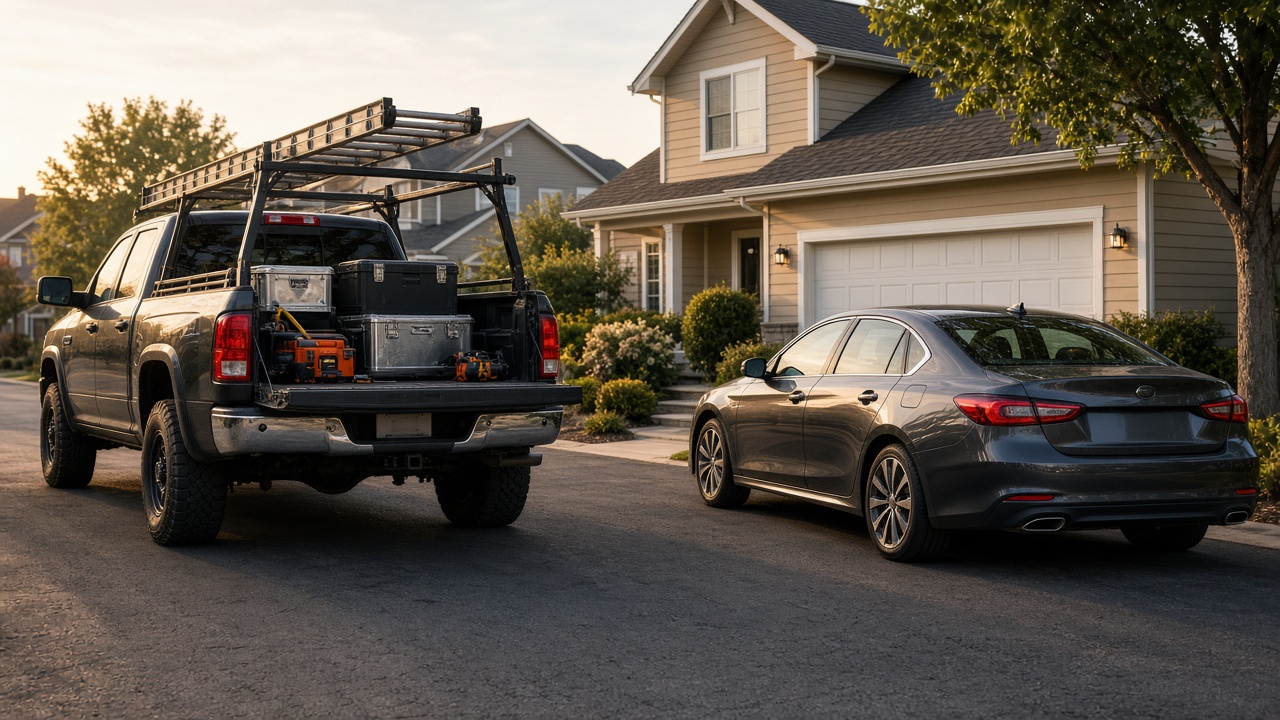
Construction companies often rely on trucks, vans, and other vehicles to transport their tools, equipment, materials, and employees. Commercial auto insurance can help cover these vehicles used for business purposes against covered accidents and other risks.
Many businesses assume that their personal auto insurance is enough but it may not provide the protection that they need when the vehicle is primarily used for commercial activities.
Builders risk insurance protects buildings and structures while they are under construction or renovation. Depending on the policy you choose, it can cover certain physical losses involving the structure, materials, fixtures, and other property associated with your project.
The coverage for this insurance typically ends when your project is complete or the policy's specified conditions are met. It’s therefore vital to understand exactly when your protection begins and ends.
Professional liability is also known as errors and omissions insurance. It provides protection against certain claims alleging financial loss resulting from professional services or mistakes. This insurance is particularly relevant for contractors involved in design-build work, consulting, engineering-related services, or other professional activities.
While general liability generally covers bodily injury and property damage exposures, professional liability is vital to address risks involving professional services.
Despite its name, inland marine insurance has nothing to do with ocean transportation. It is commonly used to protect property while it is being transported over land or stored away from a primary business location.
This can be particularly useful for general contractors as they move their tools, equipment, and materials regularly between warehouses, jobsites, and other locations.
Commercial property insurance protects the eligible business properties against covered losses. Depending on your policy, it can include your buildings, equipment, furniture, inventory, and other business assets.
For construction companies that maintain offices, warehouses, workshops, or other permanent facilities, commercial property coverage can complement their jobsite-specific insurance and provide additional protection for their business property.
As construction projects involve substantial liability exposures, a serious claim can very well exceed the limits of their liability policy. In such cases, an umbrella liability insurance provides additional liability limits above your underlying policies, subject to its terms and conditions.
It can give contractors and construction companies an additional layer of financial protection when a major claim exceeds their primary policy limits.
Construction companies today rely a lot on software, cloud platforms, digital payment systems, project management tools, and electronic communication. This creates exposure to cyber incidents such as data breaches, ransomware, and other technology-related disruptions.
Cyber liability insurance addresses the costs associated with certain cyber incidents covered by this policy.
Now that you know more about the insurance policies available to contractors and construction businesses, let's look at what construction insurance can cover overall.
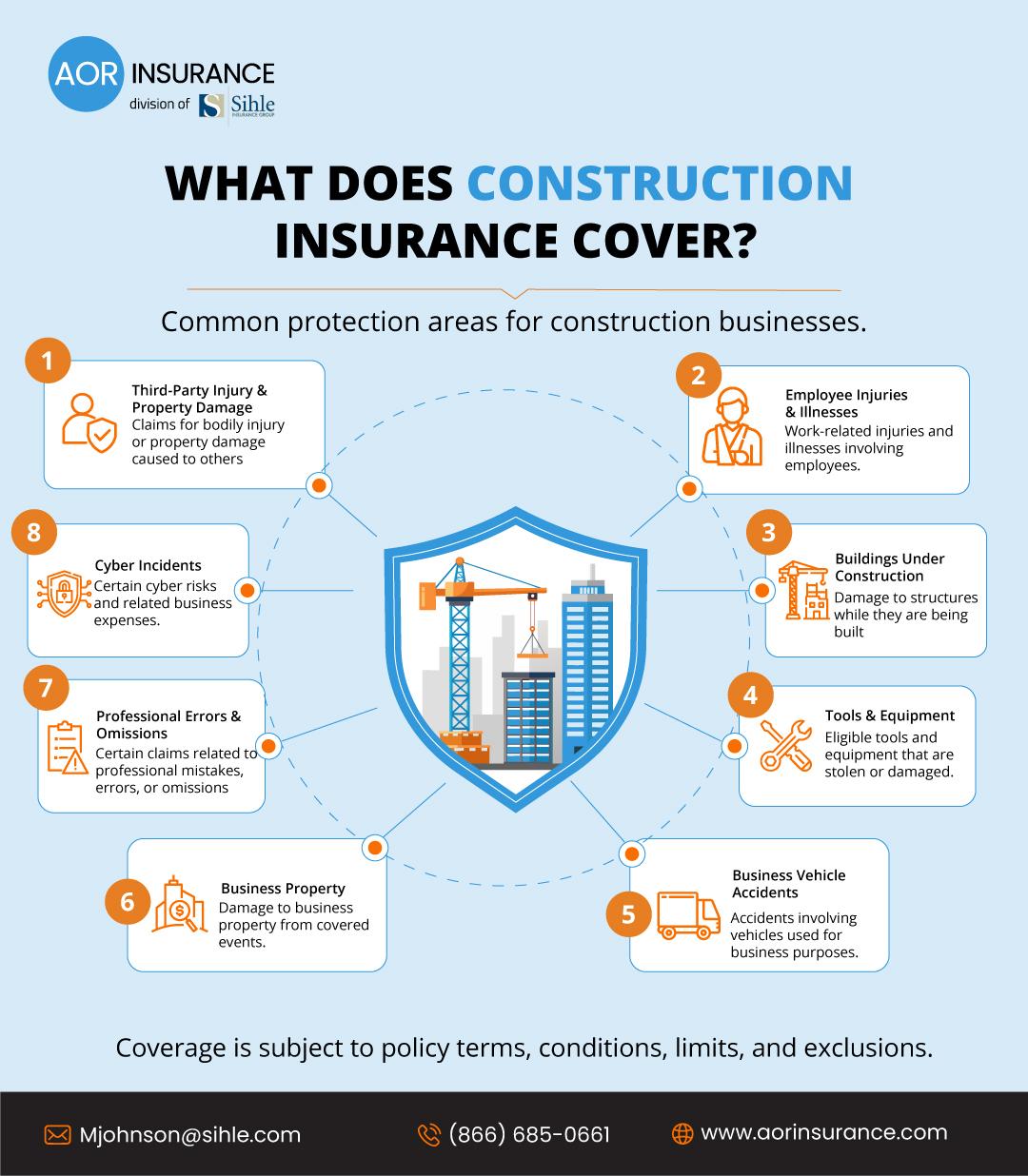
Depending on the coverage you purchase, your construction insurance program may address risks such as:
Beyond the coverage, it is also important to understand what your policy does not cover. Common exclusions can include intentional acts, normal wear and tear, certain contractual liabilities, and specific types of property damage or professional errors. So, review the exclusions and conditions carefully when choosing your construction insurance policies.
Construction insurance premiums vary based on the size, operations, and risk profile of each business but there are some common factors that most insurers consider.
These factors include:
These factors vary from one contractor to another. That's why it’s better to get a customized quote from an experienced insurance broker like AOR Insurance instead of relying on a standard estimate. Contact us at (866)685-0661 to discuss your requirements
Getting an accurate construction insurance quote starts with providing complete and accurate information about your business. Incomplete details can make it harder for an insurance broker to properly evaluate your risks and determine the appropriate coverage for you.
So, before requesting quotes you should prepare information such as:
Besides this, two policies with similar prices may have significant differences in their limits, exclusions, deductibles, endorsements, and conditions. That's why it’s important to compare more than just the premium.
Working with an insurance professional who understands construction can make this comparison easier.
When it comes to reducing your construction insurance costs, it doesn't really mean that you should choose less coverage. You should instead focus on reducing the factors that contribute to claims and ensure that your policies remain relevant.
Here’s a list of our expert tips to help you with your insurance costs:
Choosing your insurance policy purely on the basis of its price can leave you with inadequate coverage or unexpected gaps. Many contractors and construction companies make some common mistakes like this that leaves them exposed to financial risks.
Here’s a list of some common mistakes that you should avoid to prevent this:
As the scope of construction businesses varies significantly, the right insurance program for you should reflect your specific operations, projects, employees, equipment, and locations.
Here’s how you can select the right insurance policy for your construction business:
You can also seek help from an experienced construction insurance consultant to balance appropriate coverage with your budget and identify potential gaps before they become costly problems.
Construction businesses are prone to a wide range of risks from workplace injuries and property damage to equipment losses and liability claims. The right insurance program can help you manage these exposures while supporting your contractual requirements and business continuity.
But the right policy isn’t necessarily the cheapest one, your right coverage is built around the actual risks that your business faces. Regular policy reviews as your business grows and guidance from a construction insurance broker is also vital to keep your coverage aligned with your business.
At AOR Insurance, a division of the Sihle Insurance Group, our team brings more than 45 years of insurance experience to help contractors identify their risks and build tailored construction insurance programs. Get in touch with us at (866)685-0661 to discuss your needs.
Construction companies need construction insurance which includes a combination of policies like workers’ compensation, general liability, and commercial auto insurance. The exact policies you need depend on your operations, business size, and your risk profile.
The cost of your construction insurance policies depends a lot on factors like your project scope, business size, and trade risk. An insurance broker can help you determine your exact requirements and their corresponding costs.
Construction insurance isn’t a single policy but a combination of coverages that project owners, contractors, and subcontractors need to protect themselves from financial losses.
Depending on the state that you operate in, certain construction insurance policies like workers' compensation, commercial auto insurance, and general liability are legally required.
Construction insurance of a contractor does not automatically cover subcontractors and are expected to carry their own coverage.
Yes, small contractors can get construction insurance policies like workers’ comp, general liability, and inland marine/ equipment insurance.


AOR - Division of Sihle Insurance
We typically reply in a few minutes