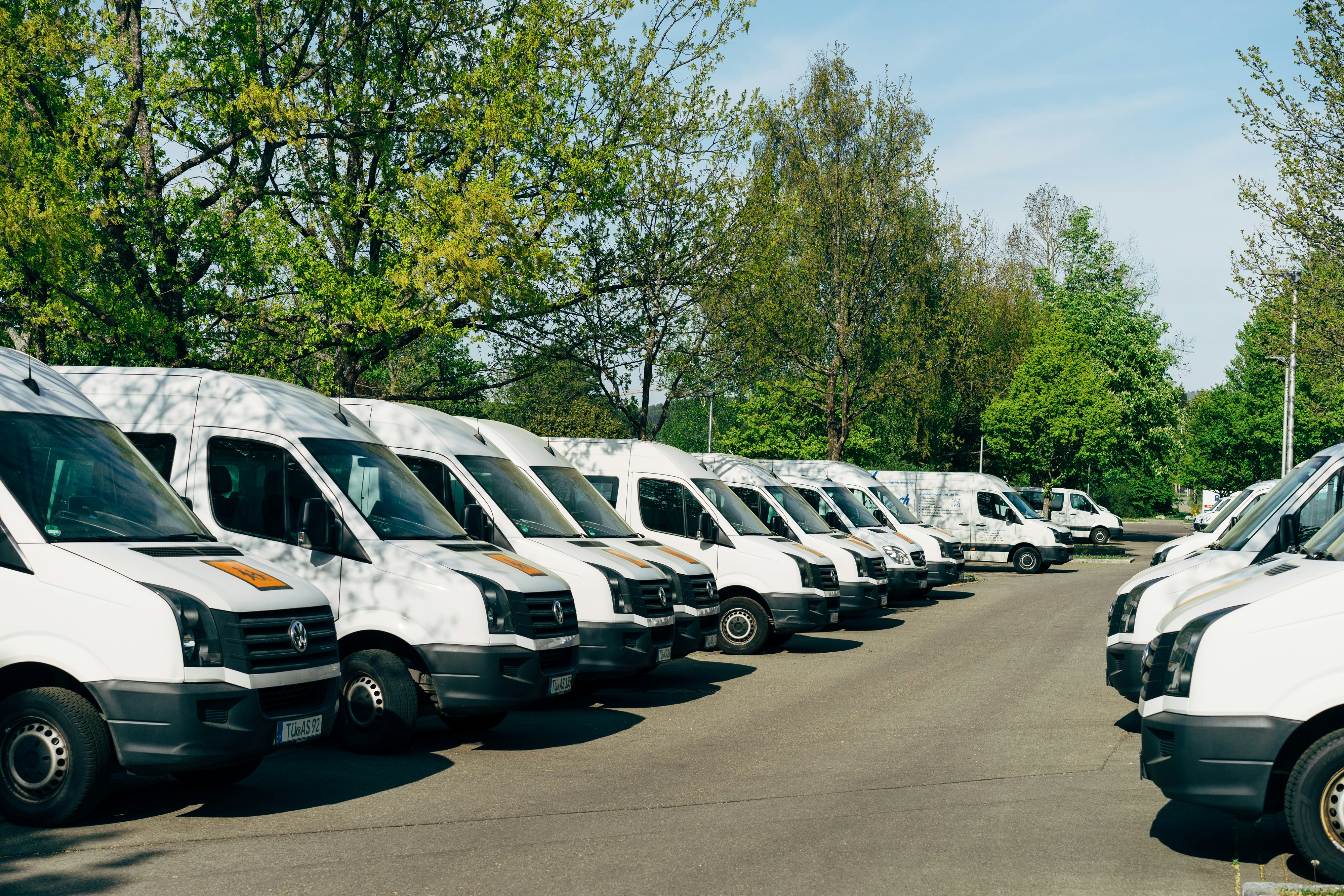
Concrete mixer trucks lined up at a ready-mix plant.

When Concrete Contractors Get Non-Renewed on Auto

Construction Insurance
September 23, 2026

Concrete contractors usually get non-renewed on commercial auto because the fleet on the application does not match the mixers, dumps, pickups, and radius the carrier has already been paying for. It is not because a softer insurance market decided to skip this trade.

Construction risk commentary for 2026 draws a clean line. Softening conditions have helped some well-managed construction businesses get better terms on much of the commercial program, and most lines are showing healthier competition and capacity. Commercial auto and excess liability remain under pressure. A concrete shop can have a reasonable general liability conversation and still lose the auto policy.

What the non-renewal is usually reacting to

The notice rarely says the carrier dislikes concrete. It is reacting to a file that an underwriter cannot price:

  • A short or stale schedule — mixers, dumps, pickups, and trailers that do not match what is actually on the road
  • Radius and garaging that drifted — jobs moved, the application did not
  • Newer drivers without a current story — construction is filling labor gaps with less experienced people, and that pressure lands in the cab
  • A loss that left the jobsite — a vehicle accident that became a third-party injury
  • A submission that still reads like a certificate request — no driver list, no loss narrative, no explanation of personal use

Labor data in the same 2026 commentary is blunt: OSHA figures show nearly one-third of occupational injuries come from employees in their first year. That is a workers' compensation fact. On a concrete fleet it is also why a brand-new driver in a mixer is an auto underwriting problem, not a hiring footnote.

Why auto can non-renew while the rest of the program looks fine

Large verdicts are part of the reason auto does not soften with everything else. Marathon Strategies counted 135 corporate lawsuits with awards over $10 million in 2024 — a 52% increase from the year before, $31.3 billion in total losses, across 55 industries. Construction was among the top 10. A common path into those cases is a third-party injury from a jobsite hazard.

That litigation pressure sits on general liability and on umbrella and excess, where terms have gotten stricter and premiums higher. An auto claim that injures someone off the mixer does not stay inside the auto premium. Carriers non-renew the fleet when the loss, the radius, or the driver file makes the tower above it hard to defend.

What belongs in the file before you remarket

A new carrier will read the non-renewal. Give them a file that explains the operation instead of hoping they skip the notice.

  1. Current equipment schedule — every mixer, dump, pickup, and trailer, with who garages it
  2. Driver list and MVRs — who is allowed in a mixer, and what happens after a violation
  3. Radius and use that match the jobs — including personal use, and hired and non-owned auto if employees use their own trucks for work
  4. A live control, not a binder — telematics or an equivalent you actually coach from. Contractors sharing that kind of data get more accurate risk profiles, and stronger risk management is what draws a real pricing conversation
  5. Loss runs with a short narrative — especially any third-party injury. A blank dec page is not an explanation

How to submit after the notice

Shop the construction program, not a naked auto policy. General liability, commercial auto, workers' compensation, and umbrella belong in one submission so the underwriter sees the concrete operation, the contracts, and the fleet together. The non-renewal stays in the file. The way through it is a schedule and a safety story that do not need a rewrite at every market.

If the last market non-renewed you for radius, drivers, or a loss you have not addressed, a fresh quote on the old application will land in the same place.

Next step

At AOR Insurance, a division of the Sihle Insurance Group, we review commercial concrete and other trade contractors who need the auto piece to hold with the rest of the program.

Request a free comprehensive risk profile on our Construction Insurance page, or call (866) 685-0661.


More Insights
Concrete mixer trucks lined up at a ready-mix plant.
When Concrete Contractors Get Non-Renewed on Auto
Read Article
Insurance declarations and a hard hat prepared for an underwriting submission.
Preparing a Contractor Insurance Submission That Underwriters Trust
Read Article
General contractor and subcontractor reviewing certificates on a jobsite.
What General Contractors Should Require From Every Subcontractor
Read Article
7 Equipment Rental Insurance Tips Every Business
7 Equipment Rental Insurance Tips Every Business Owner Should Know
Read Article
Equipment Rental Insurance 101
Equipment Rental Insurance 101: A Complete Guide to Protecting Your Rental Equipment
Read Article
Driver inspecting a work truck before a fleet safety check.
How Fleet Safety Affects Construction Insurance Pricing
Read Article
Construction contractor commercial fleet trucks — commercial auto hard market 2026.
Commercial Auto Is Still Hard for Contractors in 2026 — What to Do About It
Read Article
9 Construction Insurance Risks Every Contractor
9 Construction Insurance Risks Every Contractor Should Know
Read Article
Construction Insurance: Complete Guide
Construction Insurance: Complete Guide for Contractors and Construction Companies
Read Article
Top Insurance Coverages Every Restaurant and Hospitality Business Needs
Read Article
Exposed steel frame of an unfinished commercial building.
The Hidden Risks Construction Companies Face and How to Cover Them
Read Article
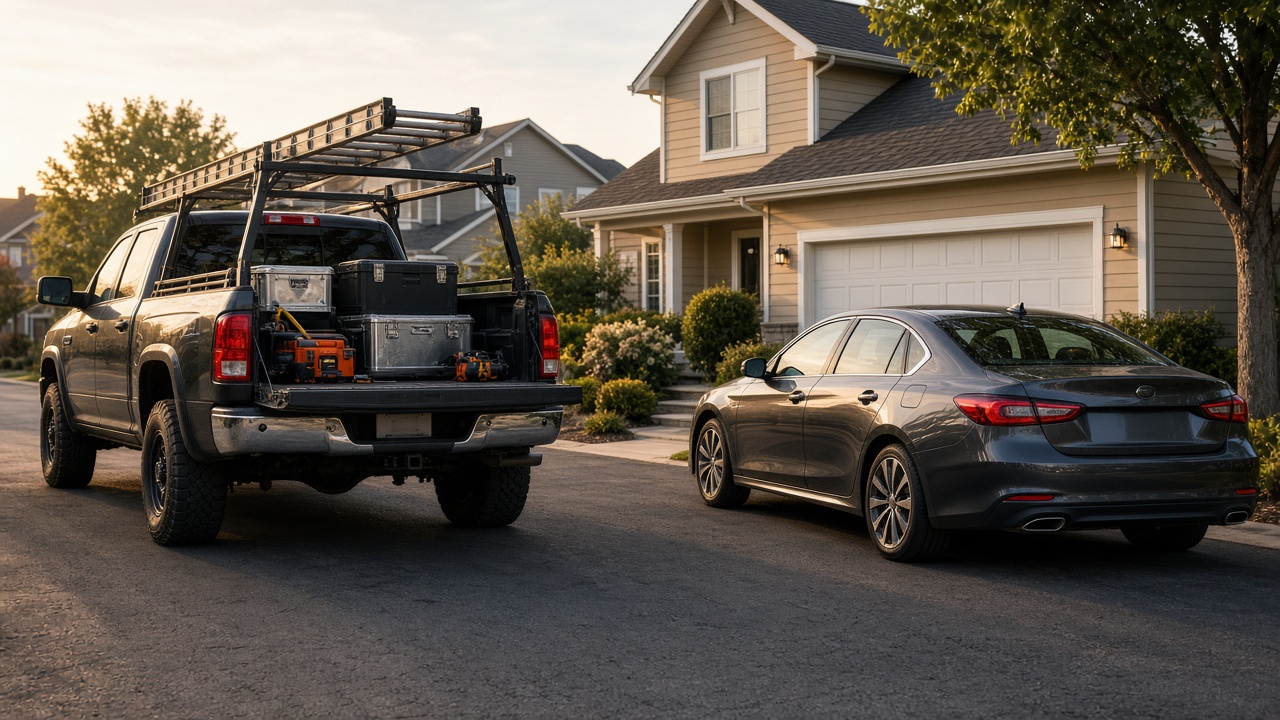
Contractor work truck parked beside a personal car.
Why Your Business Vehicles May Not Be Covered Under a Personal Auto Policy
Read Article